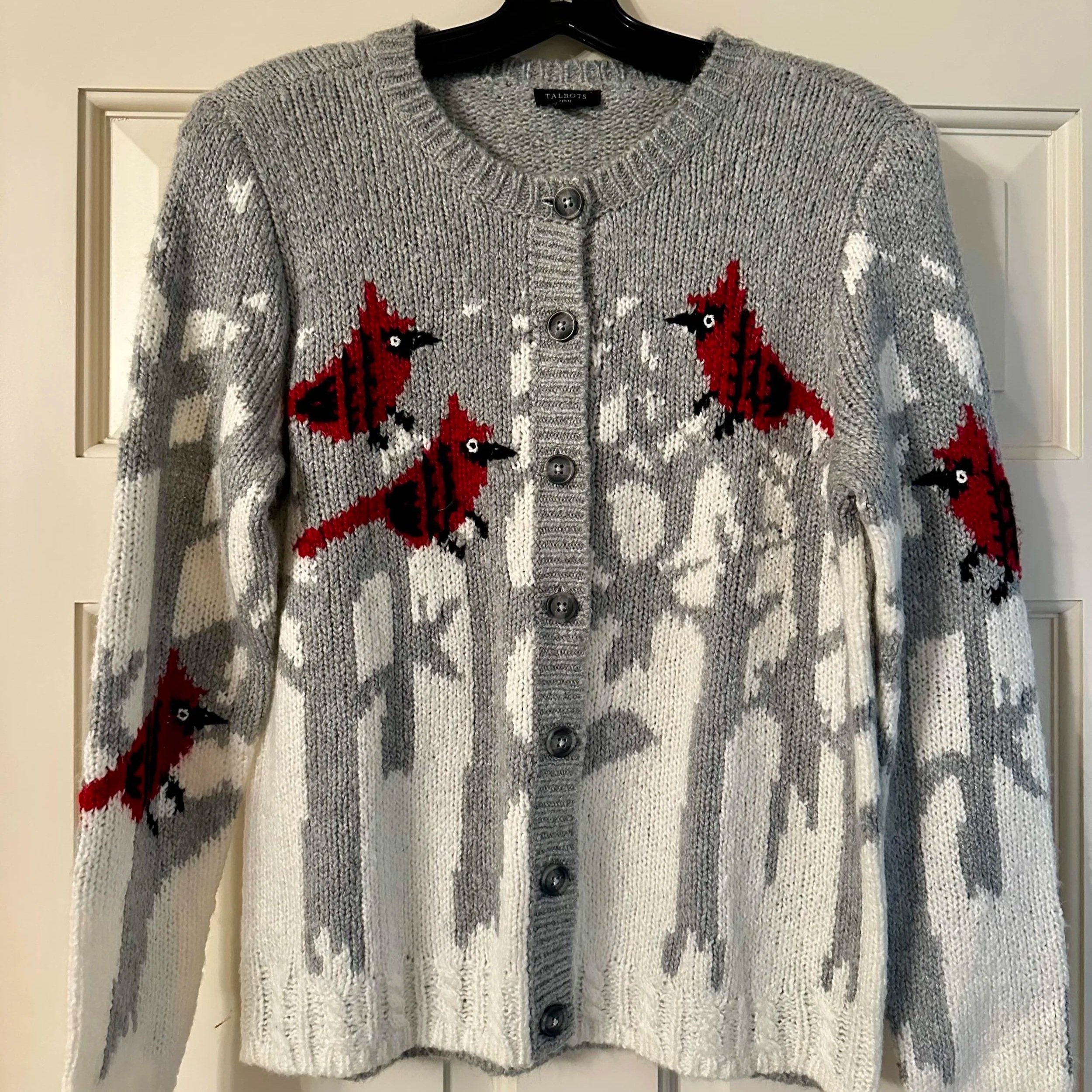
It’s Thanksgiving season, so the big debate is on: that breaded concoction that accompanies the turkey—is it stuffing or dressing? Both are essentially the same mixture adjusted with familial flair, so the vernacular disparity boils down, as usual, to region. Technically, stuffing is cooked inside the turkey, and dressing is baked separately in a casserole dish. But in the South, we call it dressing no matter where it’s cooked, and most people up North call it stuffing even if it’s served on the side. And then some secularists in Philadelphia call it filling, and they are, of course, right. It is very filling.
We are traveling for Thanksgiving this year, so I will not be making my aunt Lynn’s famous dressing, but that won’t prevent me from remembering her. In fact, we’ve done more remembering this year than usual after losing Dan’s mom and my grandmother and now moving from one house to another on the same farm. What I mean is, we have mulled, culled, packed, donated, and schlepped three households to date, and the moving is the easy part. The debate over stuff is where things get heavy.
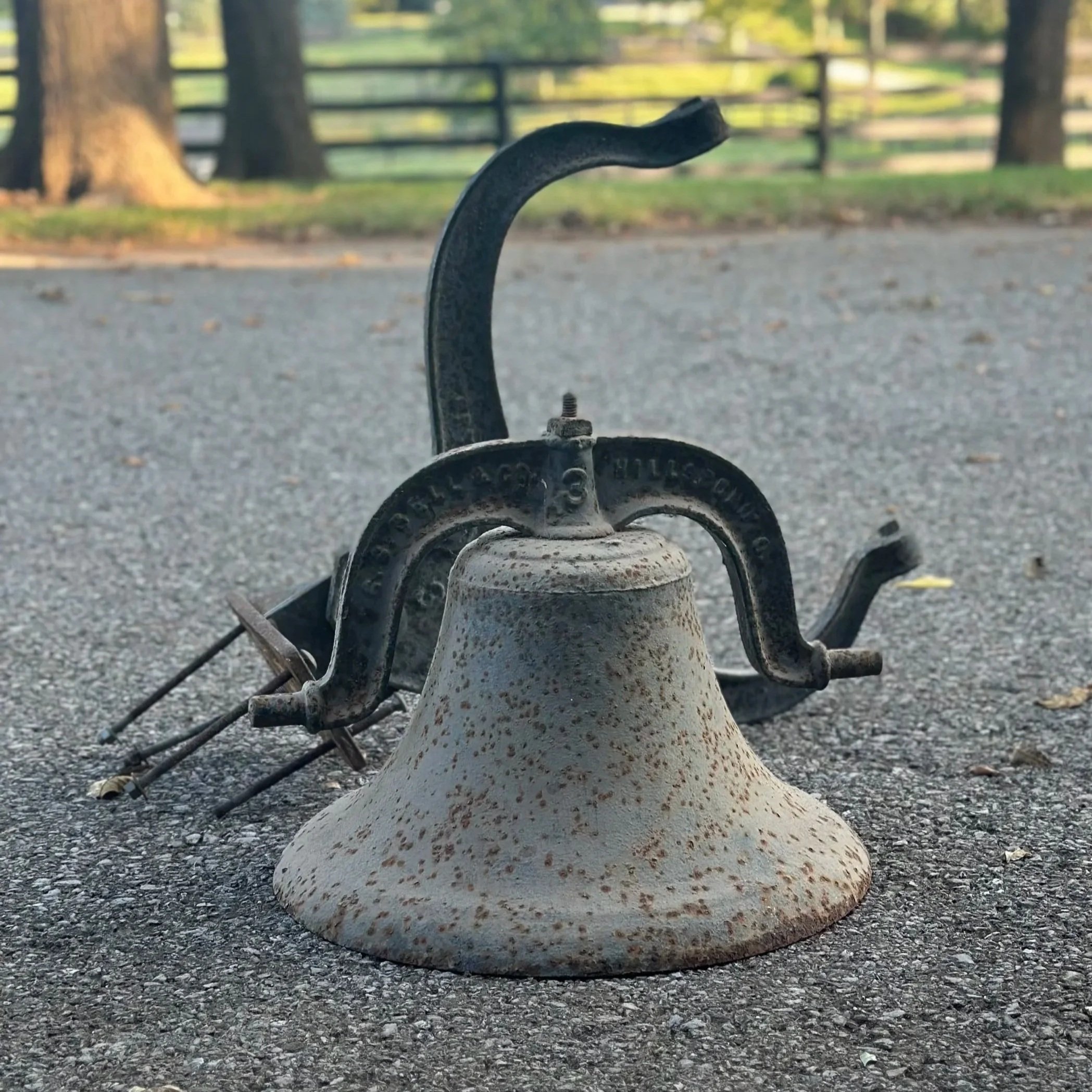
For example, a rusty, pockmarked, late-19th-century farm bell lives on the floor of our garage, where it has not aged with dignity. It could use some serious exfoliation or, at a minimum, some vitamin D. The bell is the size of an adolescent weighing in at 100 pounds, and it has accompanied Dan and me through three decades, four states and seven homes. But not since it rang little Dan and Gene in for dinner on Ensworth Drive in Nashville over 50 years ago has it been installed to do its proper job. Shame on us, I know, but honestly, we never stayed in one place long enough to commit to the concrete and post. For the past 12 years, we’ve lived in company housing next to very fancy horses who I’m certain would not appreciate the supper song of the C.S. Bell and Co. We won’t be using the bell. We’ve never used the bell. Why do we still have the bell?
Because the bell brings my husband joy.
The struggle over stuff reminds me a little of the debate over stuffing. Those Thanksgiving monikers are timely, offering a little metaphorical guidance for those of us who increasingly traffic in things.
The toting isn’t the problem. It’s the determining that hurts. When I go through my mother-in-law’s or grandmother’s things, or cull my own, I feel like I’m on a global board of universal decision-making with each encounter. Paperbacks, dishes, lamps, and rugs are manageable, but God help me with the knick-knacks, necklaces, handbags, and pictures. I need a framework for those because I cannot keep everything.
I could conjure my inner Marie Kondo if I thought it would help, but asking myself whether something “sparks joy” rarely works for me. Joy is a specific emotion I find hard to analyze. Also, it is rarely practical.
I remember helping my mom during her last move. We stood and stared at a terracotta pot for thirty minutes, wondering about joy. “Joy?” she said. “Yes, Mom. Joy.” Then, finally, “When was the last time you used it?” She replied, “Not in a hundred years,” and watched as I slid the pot over to the Habitat pile.
What if, we added a Thanksgiving theme to our sorting campaign? Three stacks: Stuffing, dressing, and filling.
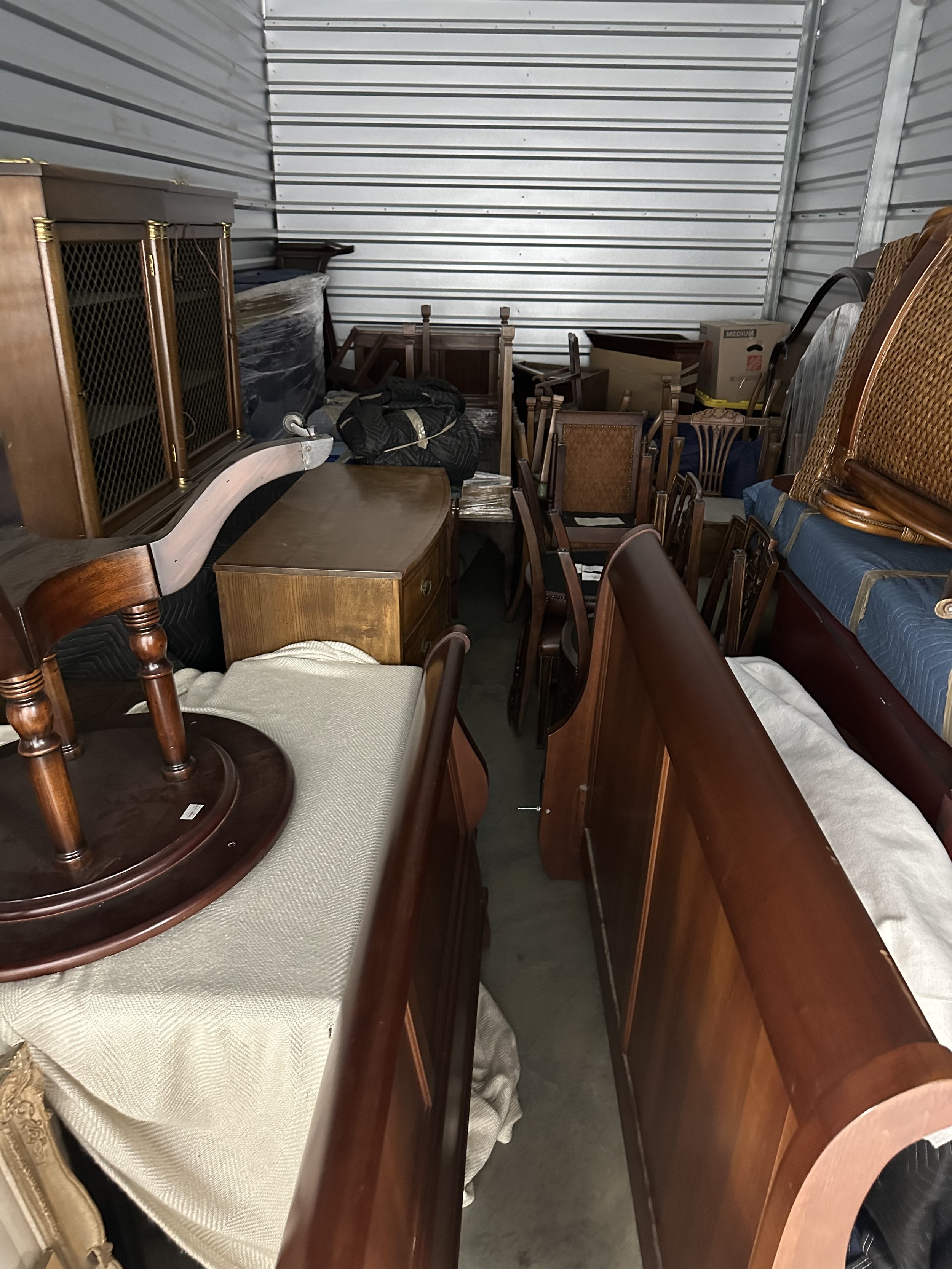
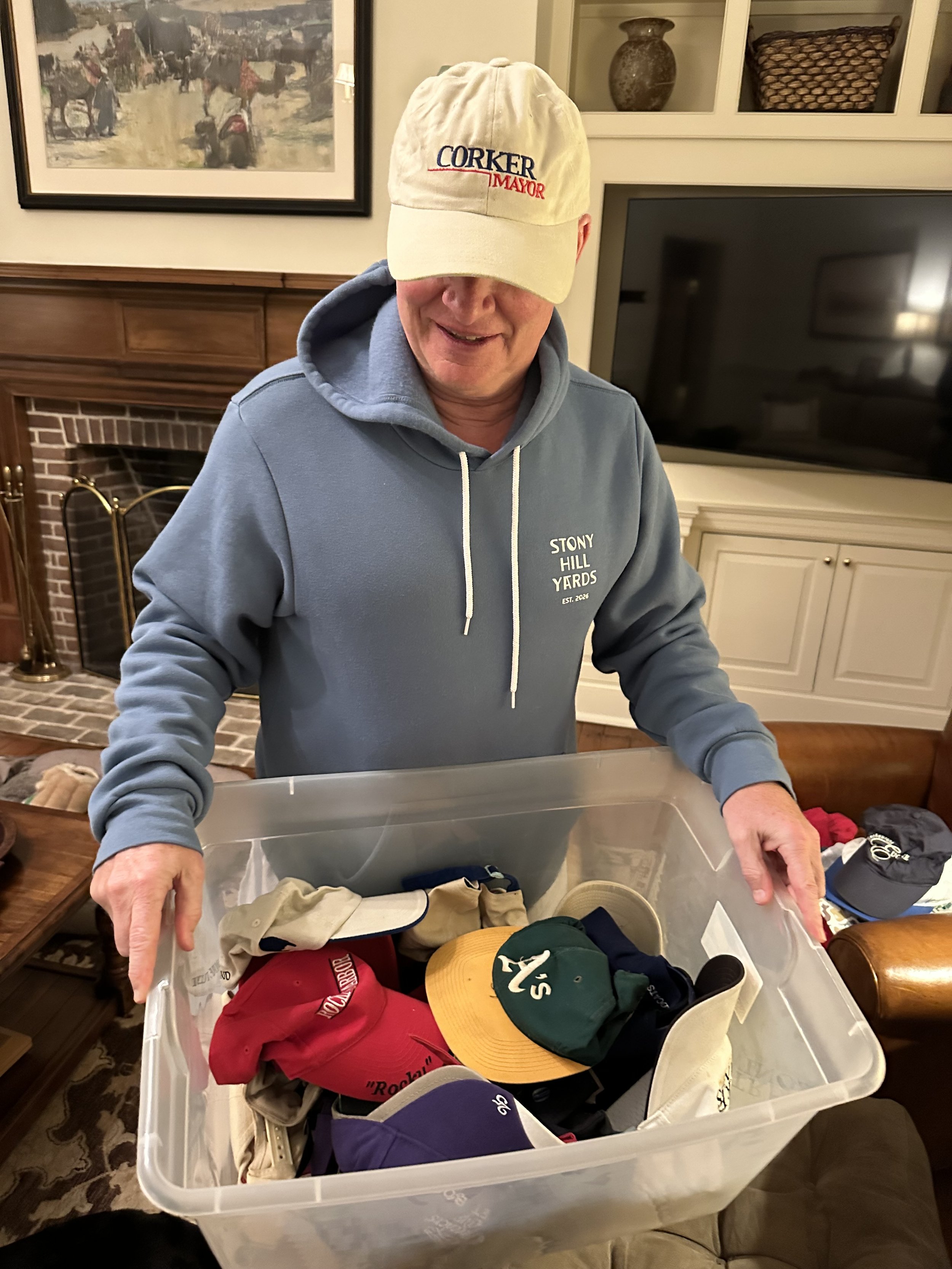
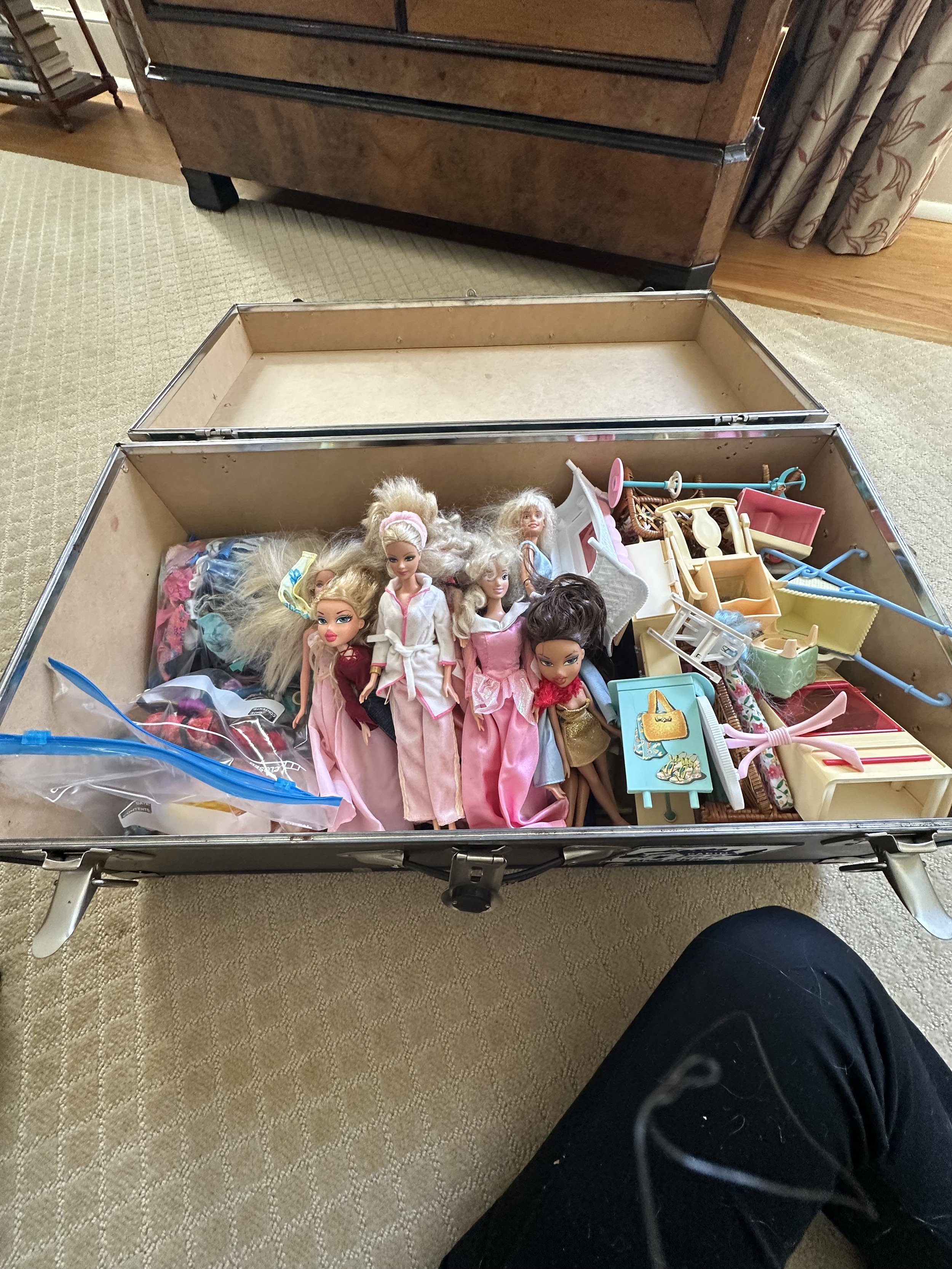
Stuffing is the easy one. It’s just stuff—nothing special, valuable, or nostalgic: old clothes no one wears, dusty, decorative space-fillers, or generic prints from Hobby Lobby. Stuffing has to go.
Dressing is tricky because, unlike stuffing, it comes in a pretty dish, baked to perfection with those dark, crispy corners. Dressing are the things we are tempted to keep because they once had value, like the now-faded painting in a gilded frame, or a set of Limoges china that’s worn and chipped with a monogram you can’t quite read. Or the mystery dish that fits roughly eight asparagus spears, but it’s fancy and sterling, and you never know. What if the kids want it someday? What if I need to melt it down for currency after the AI monster steals my money away?
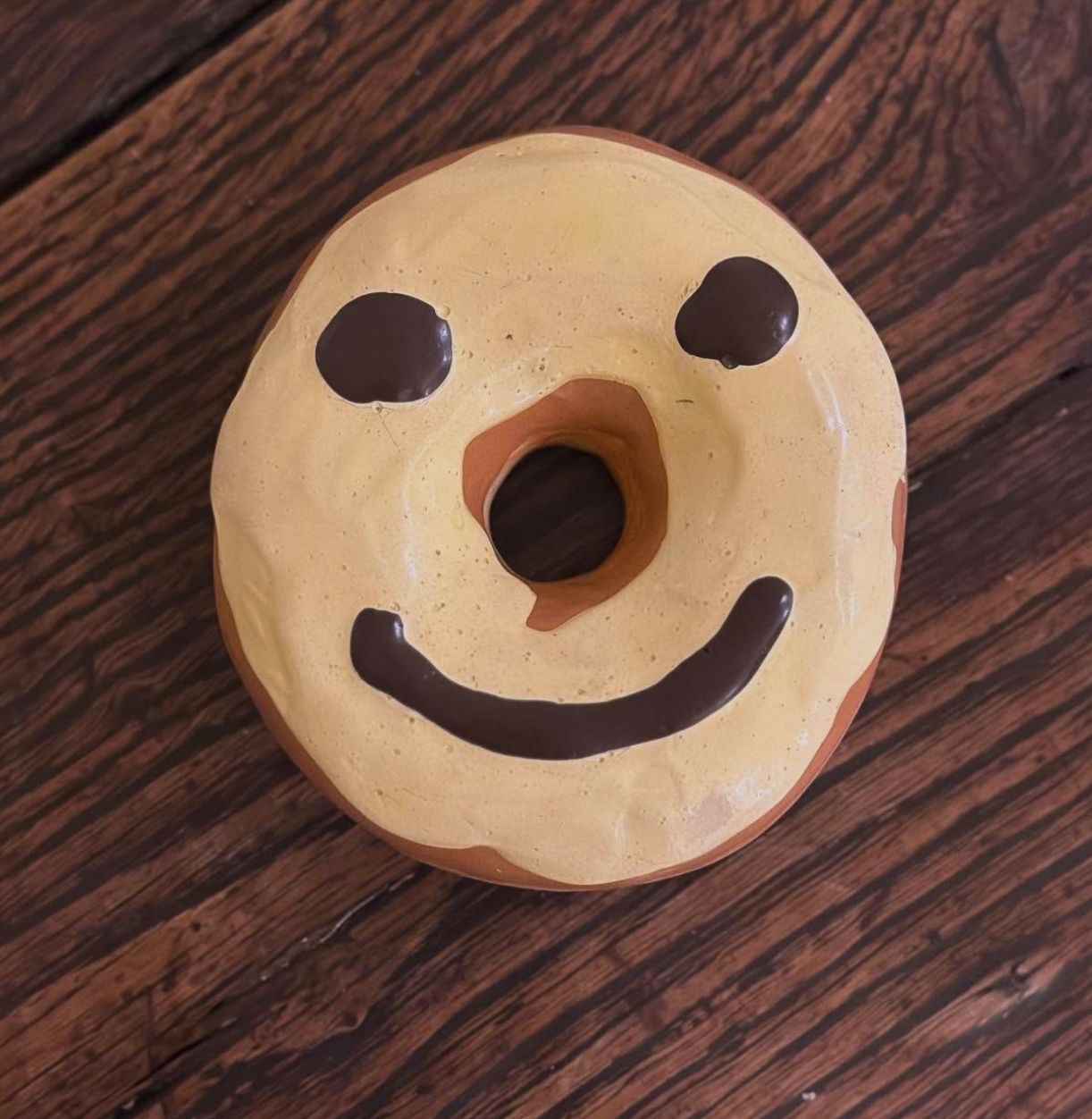
Filling is the fun stuff. My filling has a higher acceptance rate than Kondo’s joy because it allows for a wider berth of emotion. I may feel joy, but I may also feel embarrassment, humor, or the sting of regret. If it fills me emotionally in a meaningful way, it can stay. One of the best examples is a ceramic donut with a happy face my mother-in-law gave my husband for Christmas one year. She prefaced the gift by telling him it was “the big one,” meaning his big gift, the most precious. The look on Dan’s face when he opened the donut was priceless and unforgettable: surprise and utter bewilderment. I am laughing now as I see him in my mind. That donut reminds me of life’s irony and complications—and that nothing is ever as it seems. Does it fill me with joy? Not in the way Marie Kondo suggests, but I would never let go of that donut because it fills me with understanding and gratitude.
Thank you for indulging my flimsy Thanksgiving-themed sorting system. The truth is there are gobs of exceptions to my rules and Marie Kondo’s. For example, the bicycle rack that rusts in the basement doesn’t spark joy or fill me with anything, but we may use it again someday, and I don’t want to waste money buying another, so I keep it. On the other hand, I am ruthless when it comes to culling memorabilia.
Dan and I have carted boxes of old teaching files, PeeWee football trophies, stuffed animals, baby teeth, and Jackson Pollock-style preschool artwork from 1973 up and down steep attic stairs through at least eight moves. Last summer, I pulled every box of our childhood memorabilia and went through them with a new lens. I pretended we were dead.
In a TOSS pile were things like Dan’s senior-year high school leather weightlifting belt, signed with a ballpoint pen by some of his teammates; a deflated soccer ball from my first year coaching; an autograph book from Camp Skyline; ticket stubs from a Renaissance Festival. The KEEP pile had stacks of photo albums, loose pictures, letters, and cards.
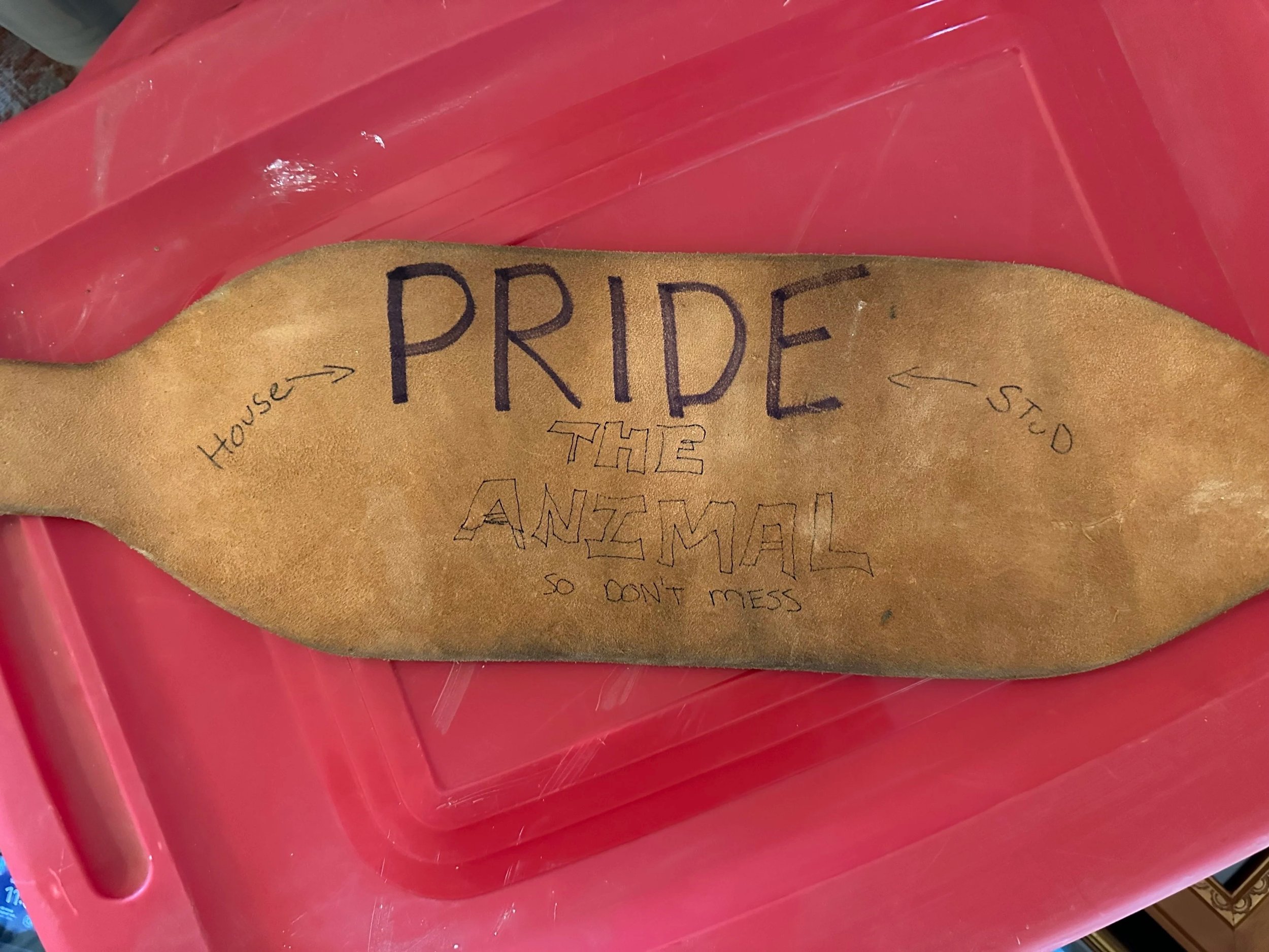
Dan balked at the toss pile as I knew he would. He was a history major after all. He pointed at the signatures and said how special. What great memories. So I shared my new lens with him: pretend you are our kids going through this stuff without context. Do they know the people who signed the weightlifting belt or the book? What is that soccer ball if you aren’t me? It’s just a deflated ball.
Next, when was the last time he looked at anything in the toss pile? And if we keep it, when does he plan to hike it to the attic, dust off the boxes, and look at his weight belt again?
Finally, I asked how our kids will feel one day when we are gone, and they have to go through all that random stuff without context. It’s our memories in a box—not theirs—but they will feel guilty about throwing it away. The box we never open again will do nothing but sit and wait to complicate an already difficult time of loss. Trust me, I know.
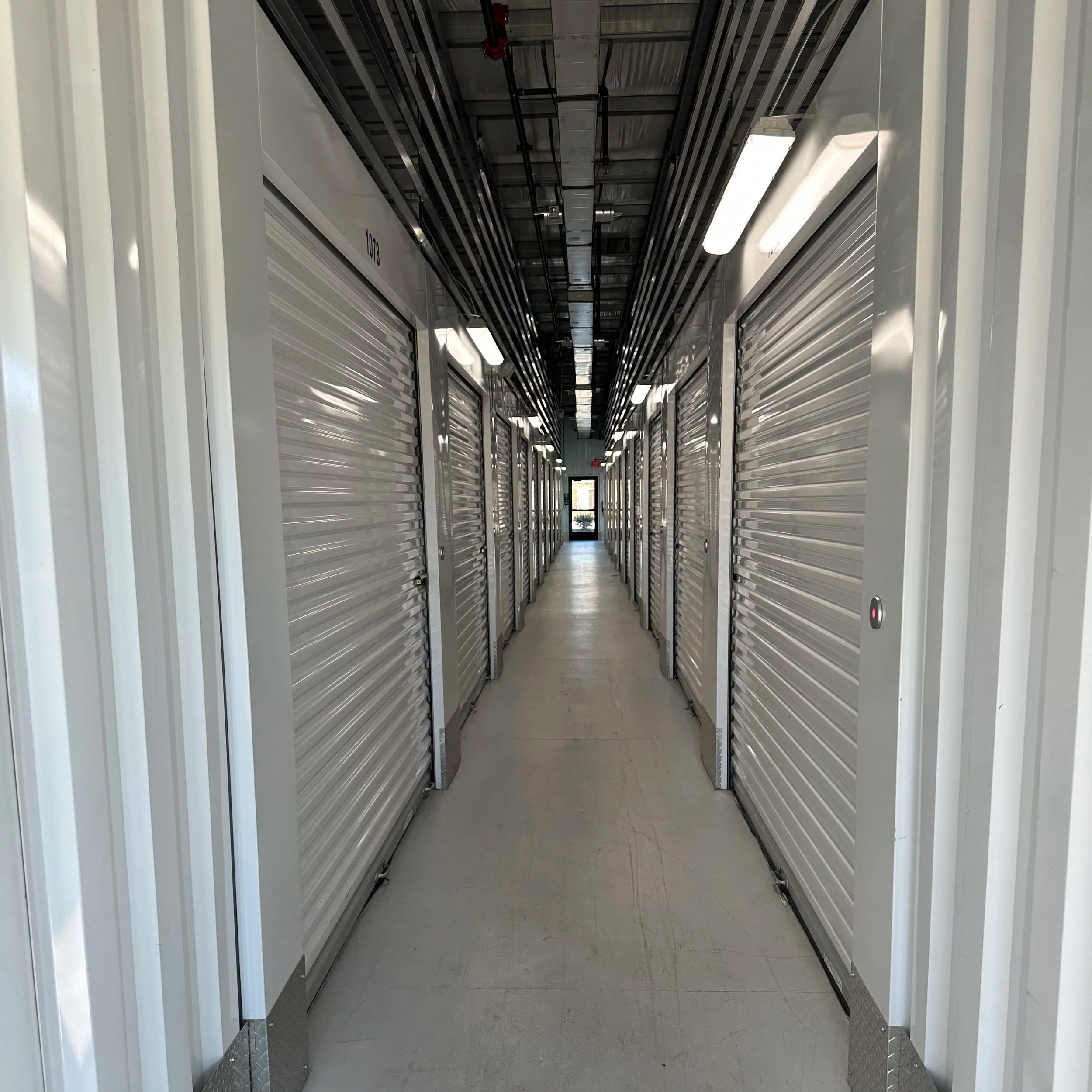
The sentimentalists are gasping! They see my strategy as soulless. They prefer to push the stuff off to the next generation, pack it up, and cram it into a metal storage unit where the lore rots in the dark with an existential crisis far worse than a tree in the woods that no one hears fall. A little dramatic maybe, but I happen to have one of those metal storage units, and it feels like the massive suitcase stuffed with clothes I never wore that I heaved through Greece on a three-part tour this summer. It was impractical, slowed me down, and increased my inflammation.
These things carry weight.
And yet—as I pack for the move to the next house, I know it will soon become a home dressed and filled with joyful stuff like the riding saddles stacked one on top of the other, smelling of leather and cold mornings in musty barns. Doc’s library table will hold old books from both sides of the family with thoughtful inscriptions and pages turned down. The Blue Ridge china my mother gave me will host our Sunday pancakes, and I’ll write my next book at an antique kidney-shaped desk with stories of its own.
The sorting is done. Now it’s time to share one more thing.
I believe two types of animals roam the planet—givers and takers. Socio-economics does not dictate personality. Sometimes those with the most hold on with an iron grip, while others take the shirt right off their backs and hand it to you. The latter was my grandmother, Barbara Amspoker—Meme. I had to stop complimenting her on her outfits. Sometimes for fun I would go into her house and ask if I could have her refrigerator. She would say, “Yes! Take it!”
I have seen it both ways—those addicted to their things, only to be disappointed over and over through the gradual process of downsizing until they reach the grand exit where nothing is allowed, and those who thrive on seeing their shareables used, worn, and cherished as gifts. Clearly, we must not give away our refrigerator, and we should keep those things which spark our joy. But I’m an early adopter of the Meme principle, where if there are things in our figurative or actual vault that never see the light of day, they need to be given away.
Giving is good karma, not only because passing something on creates a positive consequence for the person receiving it. We all know helping others feeds the soul. And sharing is a much better solution than hoarding something you never use.
I am not just talking about the toss pile. I’m talking about valuables, too. If you have jewelry dulling in a locked box, don’t wait until you’re dead. Grab the key now and divvy up those baubles to the people you love most. Smile when you see the bracelet dangle from your daughter’s wrist. I promise that is where the thing will bring you the greatest joy.
Soon I will unpack that which I’ve sorted, and we’ll see if my system has worked. I feel certain I’ve kept too much or given too much away, but that’s okay. I am thankful for shared memories with context; obsolete storage units and emptied locked boxes. I am committed to useful, meaningful sharing that brings people together, and toting the heaviest loads if that keeps them smiling. Last of all, I’m thankful for the time with those in my life who have passed—for their lasting love and lessons, and the shirts off their backs that I still wear.