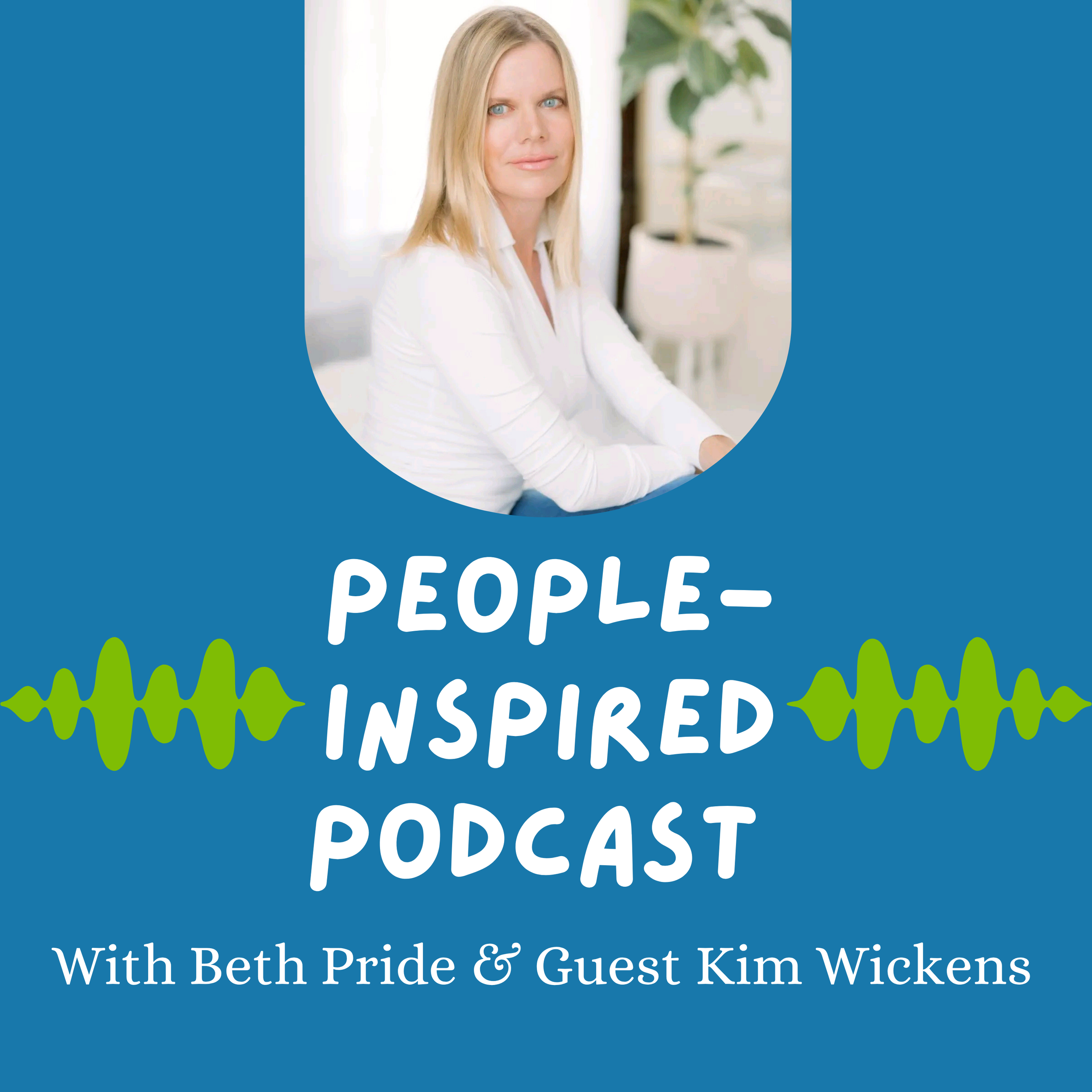
Lexington the Horse: A Lost and Found History
If learning about what interests you required going to a library to dig up correspondence or newspaper clippings, traveling across the country to mine dusty records, and interpreting handwritten charts and pedigree trees, would you do it?
My guest on the new People-Inspired Podcast is Kim Wickens, the award-winning author of Lexington: The Extraordinary Life and Turbulent Times of America's Legendary Racehorse. Talking with Kim about Lexington and her creative journey to reveal a hidden history has me thinking about the past and how much information and research have evolved.
Lexington was a record-breaking racehorse during the 1850s until he was forced to retire due to blindness. He then became a dominant breeding stallion, leading the sire list a record 16 times. Lexington’s bloodline shaped American Thoroughbred racing for generations. Yet, until 2023, when Kim published this beautiful narrative non-fiction account of his life, he was pretty much forgotten. Why?
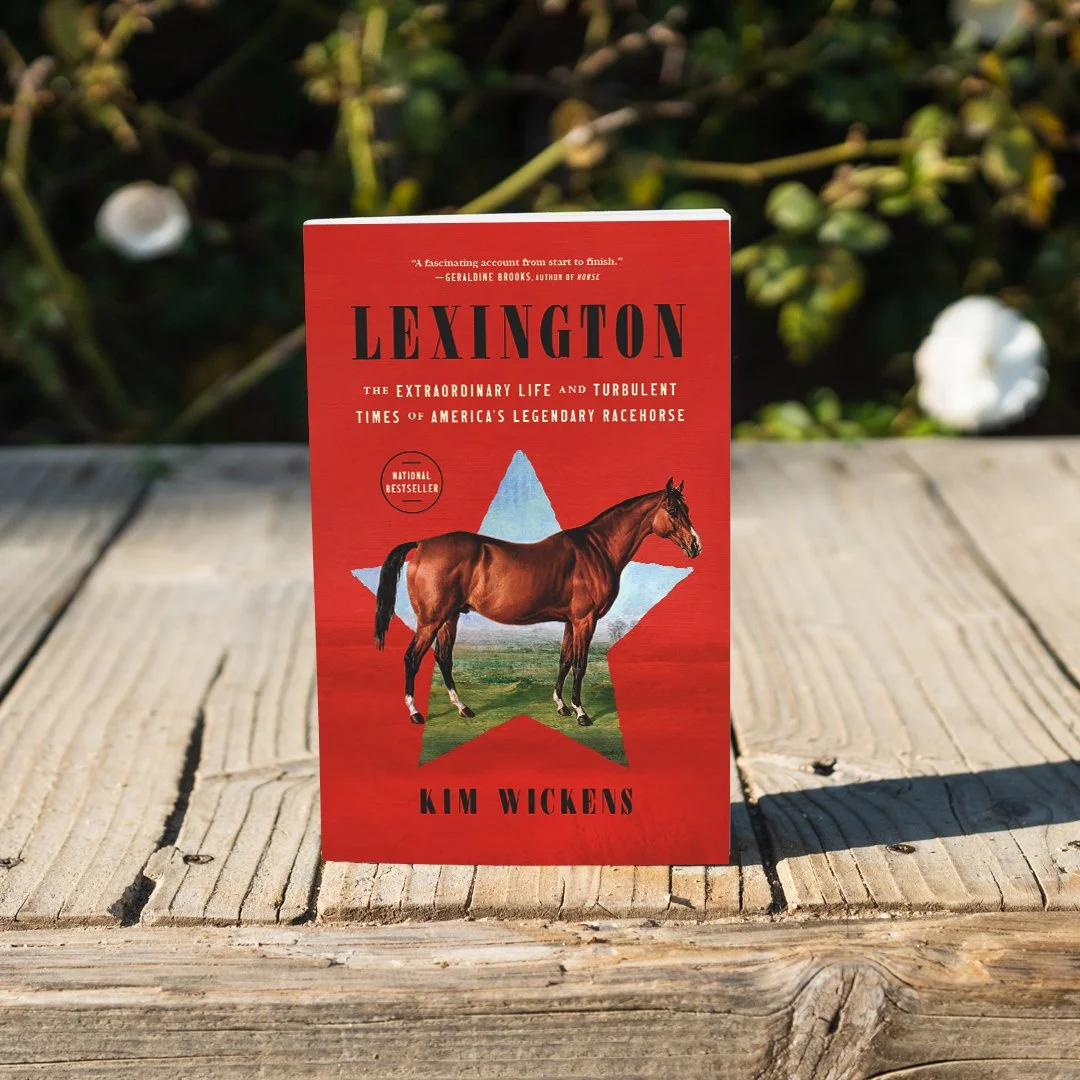
Kim has her theories, which you can hear more about in the podcast, but suffice it to say, learning about Lexington was not easy. She began her search over ten years ago, as most of us do in this modern era of information: she typed his name into her browser and read about him on Wikipedia. But that was all there was. She dug for secondary sources but found very little about Lexington the horse.
Leaving the internet behind, Kim took days off from her criminal defense practice in New Mexico to travel to the Keeneland Library, where primary sources became the building blocks for her book. These included 1800s racing records, stud books, letters between horse owners and trainers, newspaper coverage of races, farm records from breeding operations, and artwork or portraits of the horse from that era.
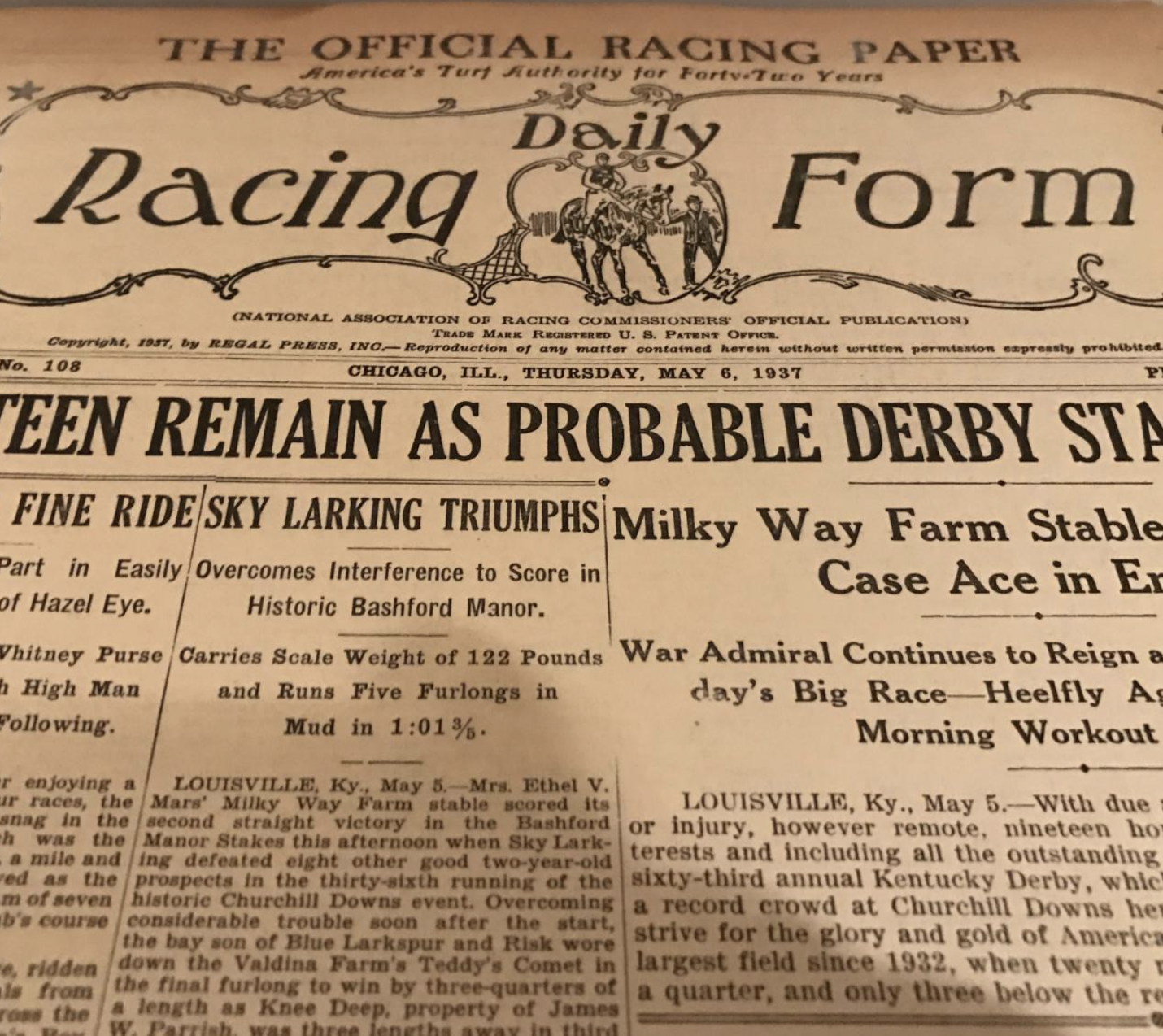
I joked during our chat that students today might not even know what a primary source is beyond YouTube. I taught high school English in the nineties, and I can’t imagine the challenges of teaching today amid the AI revolution. On the other hand, if YouTube had existed in 1853 with original video, interviews, and race calls, Kim might have researched Lexington without having to travel as far.
I’m not alone in my naïve curiosity or awkward concerns about this age of information. Many of my contemporaries are resistant to and overwhelmed by the ease of access. It worries us—how will it change our culture, jobs, language, and how we think? Will AI dumb me down more than I already am?
Then a day comes when we need help with something, so we type this into Chat GPT: how do I get my 2022 Tahoe to connect to CarPlay? Or what’s a vegan substitute for butter? Seconds later, we’ve followed the directions, solved the problem, and enjoyed a little dopamine hit. After that, it gets harder to resist the all-you-can-eat buffet, even if we worry about the environmental impact of every bite we take.
I plan to expand on this topic in a future post, but for today, I hope you enjoy this perfect dose of inspired information with the Spring edition of the People-Inspired Podcast, featuring Author Kim Wickens. Learn about Lexington the horse and Kim’s passionate and creative journey to share his compelling story.